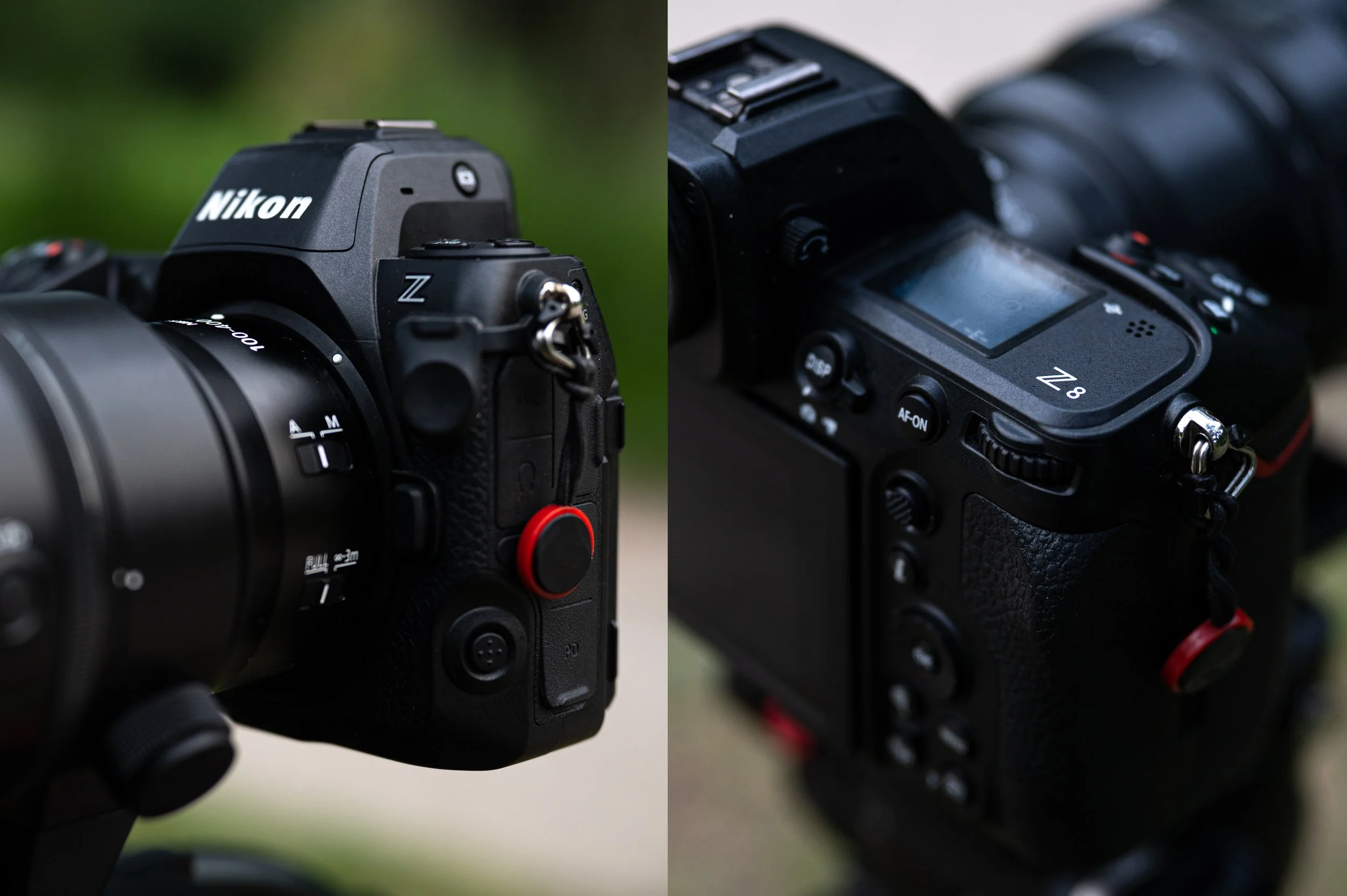
Nikon Z8: https://bhpho.to/4w2Sqav
Getting into wildlife photography, I knew I needed a camera that could truly do it all, something I wouldn’t outgrow as I pushed deeper into both photo and video work. When the Nikon Z8 came out, I jumped on it immediately, and it’s been exactly that kind of all rounder for me.
The autofocus with 3D tracking has been a game changer for fast moving wildlife. It locks onto subjects and actually stays with them, even in chaotic scenes. The 45.7MP sensor gives me the flexibility to crop heavily when animals are far away without losing usable detail, which happens constantly in the field.
The video is even better. Internal RAW recording gives me full control in post when I’m color grading, and the 4K 120fps slow motion lets me capture behavior you’d otherwise miss in real time. The DX crop mode is also incredibly useful when I need extra reach without changing lenses.
It’s the kind of camera that lets me adapt to whatever the field throws at me, whether I’m shooting stills or video.
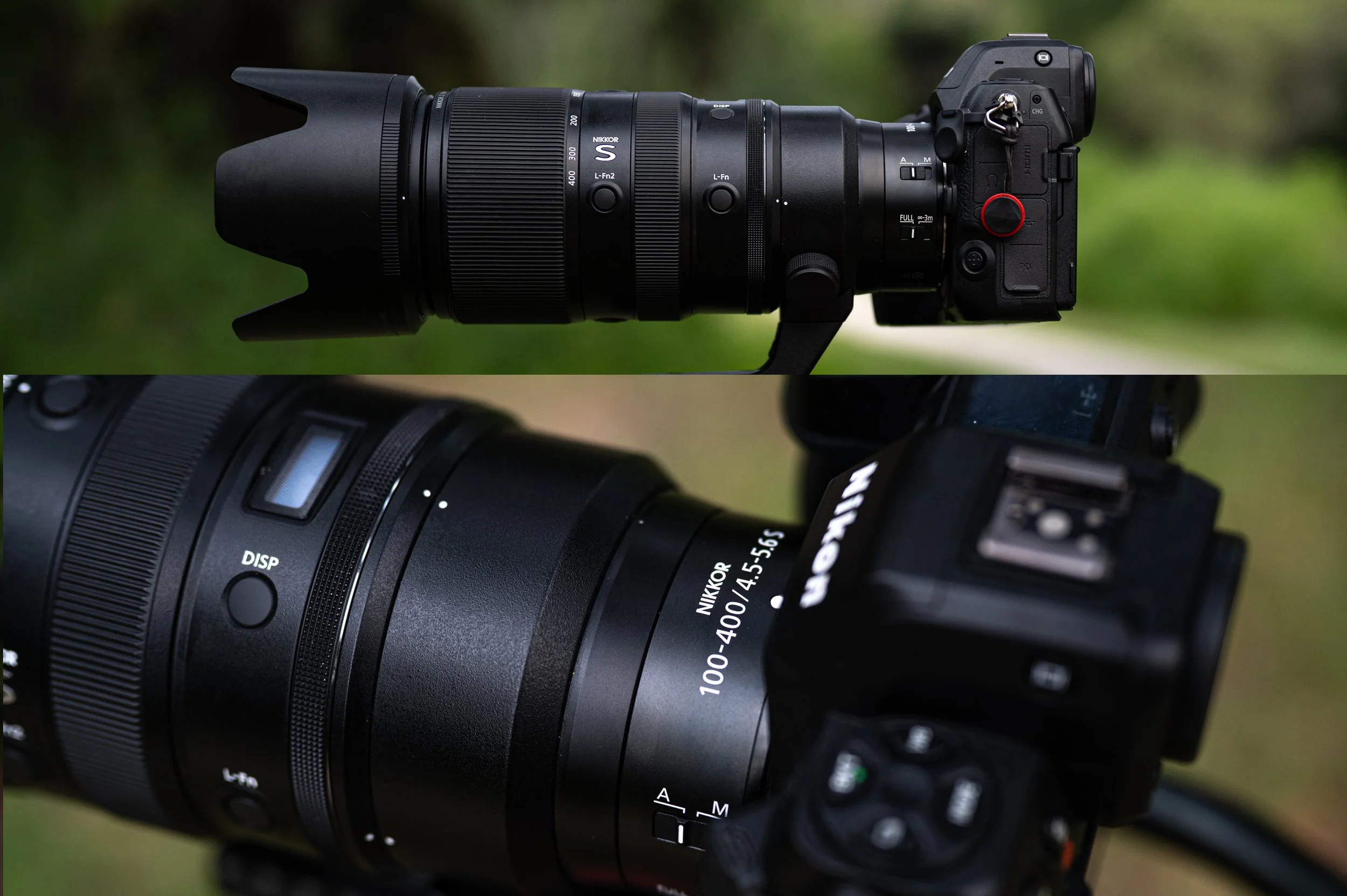
NIKKOR Z 100-400mm f/4.5-5.6 VR S Lens: https://bhpho.to/3Qwf1wR
We have all hit that point of decision fatigue when trying to choose the right wildlife lens. For me, the choice came down to the Nikon 100-400mm vs. the 180-600mm. Both are strong options, but I went with the 100-400mm for three main reasons: weight, light, and speed.
First, weight. When I am out in the field I am carrying around 25 pounds of gear, so every extra ounce matters. The 180-600mm is noticeably heavier(1.5lbs), and for my style of shooting that difference is the line between comfort and fatigue over a long day.
Second, light. The 100-400mm is brighter throughout most of its range, which makes a real difference at sunrise and sunset. Those are often the best times for wildlife, but also the hardest for exposure and autofocus. Having that extra light gives me more flexibility when I am already pushing higher ISO.
Finally, speed. The 100-400mm focuses faster, and that matters when subjects are moving unpredictably. Combined with its slightly wider maximum aperture compared to the 180-600mm, it gives me a more responsive feel in the moments where you do not get a second chance.
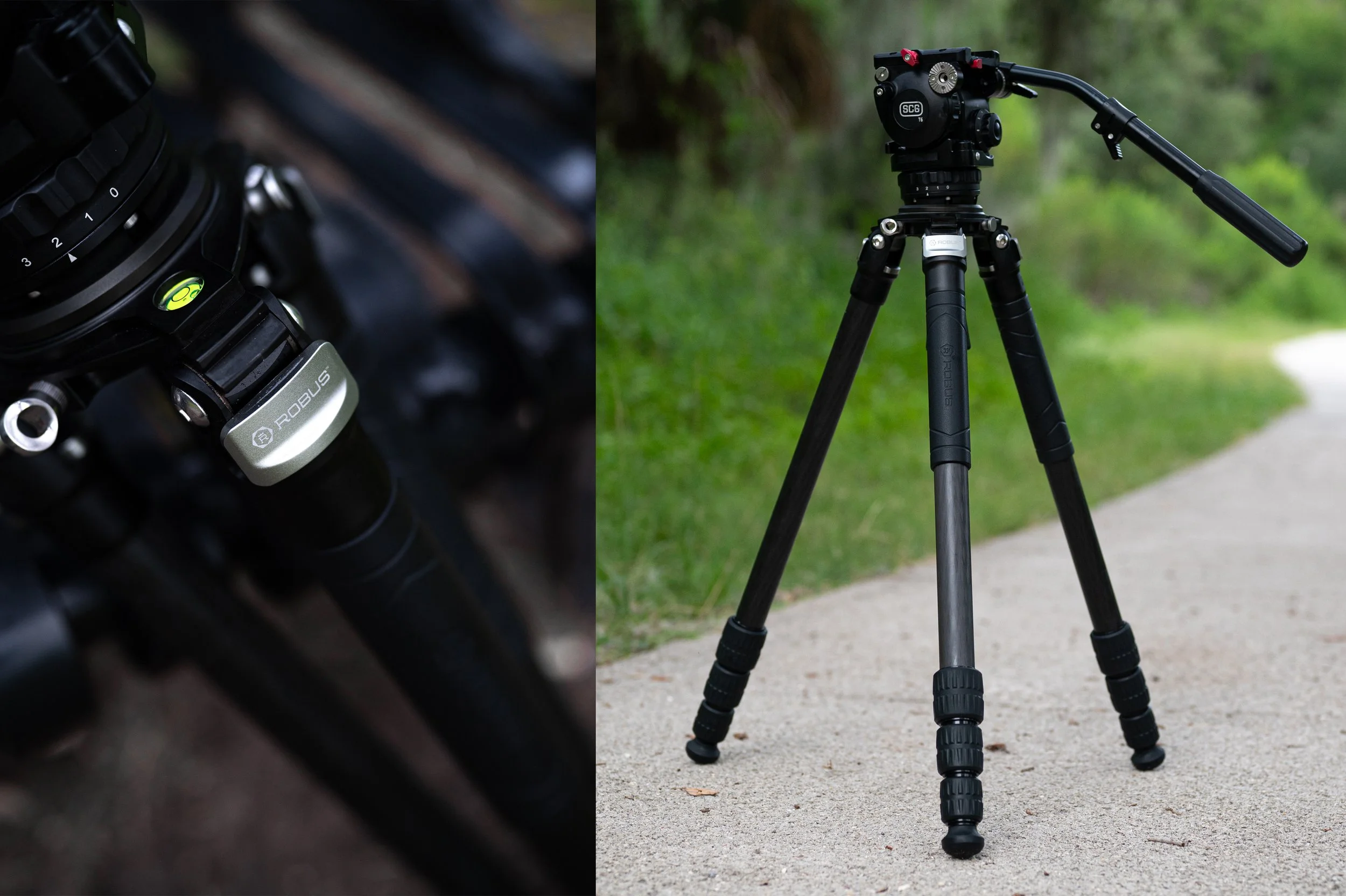
For my tripod, I did not want to break the bank, but I also knew I did not want the cheapest option either. The Robus 5570 felt like the right balance. It is a relatively affordable carbon fiber tripod that still comes in at under 6 pounds, which makes a big difference when you are carrying gear all day in the field.
At 70 inches tall, it gives me plenty of height. I am 5'10", so I only need to extend three out of the four leg sections to reach eye level. That might seem like a small detail, but it actually matters a lot. The less you extend the legs, the more stable the tripod becomes, which is exactly what you want when shooting wildlife in unpredictable conditions.
One important note is that this tripod requires a separate tripod head, so you will need to choose and purchase that based on your setup and shooting style. If your main focus is photography, a gimbal head is usually the best option for balancing long lenses and tracking wildlife. If you are more focused on video, a fluid head is the better choice for smooth, controlled movement.
Robus 5570: https://bhpho.to/3Sgzia8
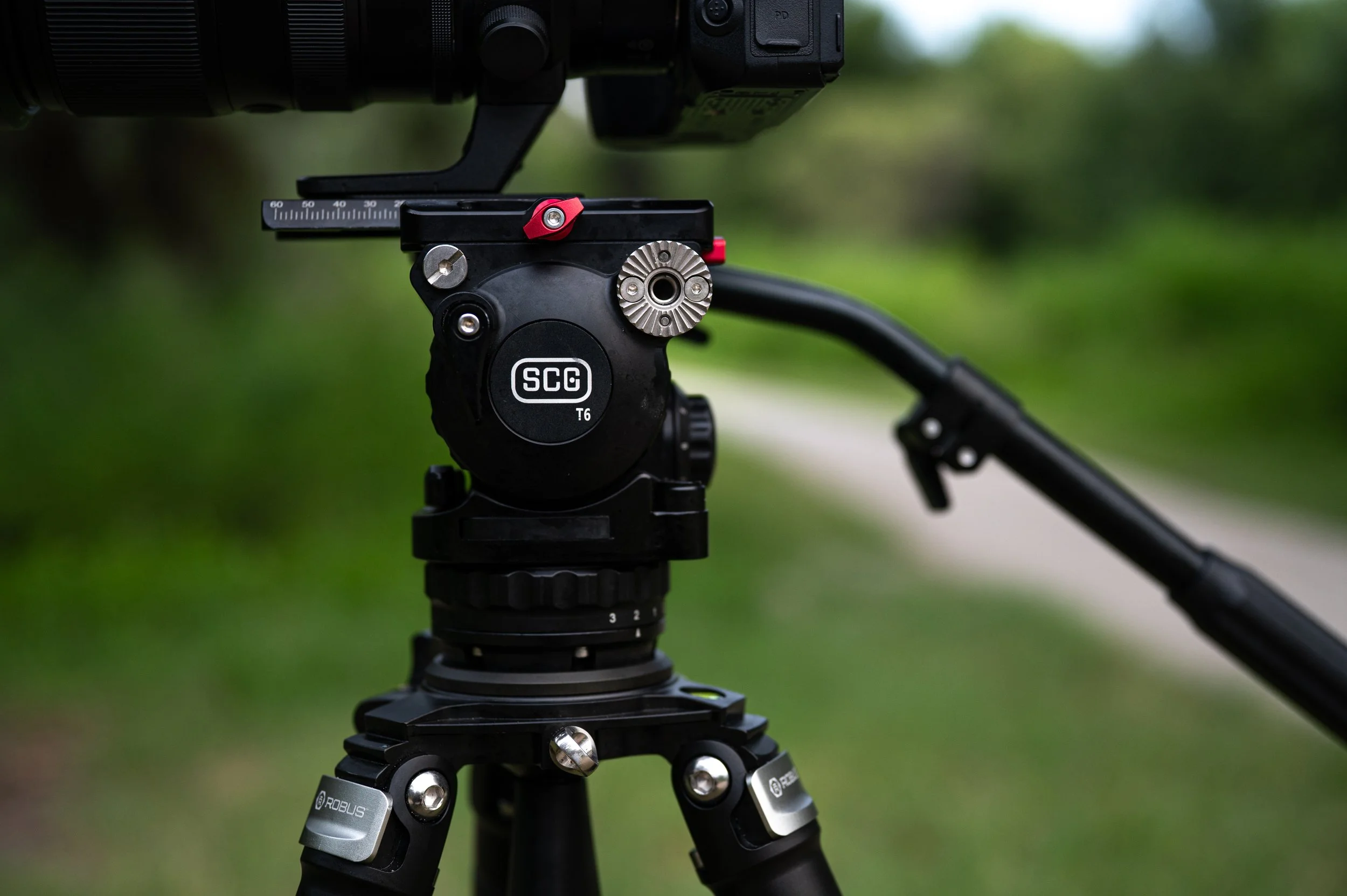
SCG T6 Fluid Head: https://bhpho.to/4gf7Hjz
Fluid heads can get expensive really fast, so I decided to take a bit of a risk on a company based out of Australia that I had never heard of before. In the end, it turned out to be a fantastic choice.
This fluid head has a load capacity far beyond anything I will ever realistically put on it, which gives me a lot of confidence when I am running heavier wildlife setups. It also features an illuminated level bubble, which is surprisingly useful when shooting in low light or early morning conditions when you can barely see your setup.
The build quality is another standout. It is made of 99 percent metal, and it feels extremely solid in hand. Nothing about it feels fragile or temporary, which is exactly what you want in field conditions where your gear takes a beating.
Overall, it ended up being one of those pieces of kit that quietly overperforms and earns its place in my setup.
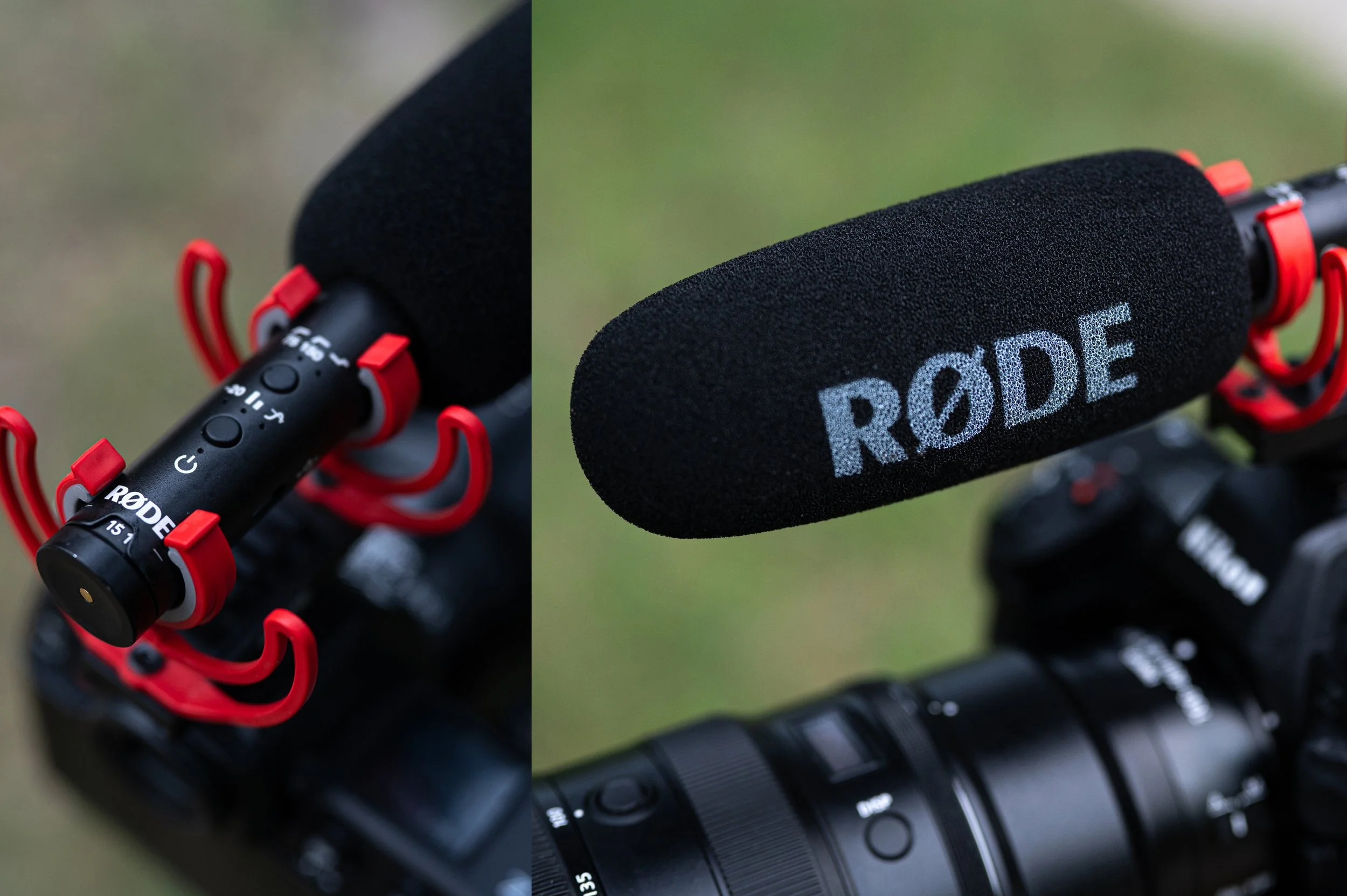
RODE VideoMic NTG: https://bhpho.to/4fEr1GT
My last big piece of equipment is my shotgun mic, the RODE VideoMic NTG. I wanted something highly directional so I could isolate clean audio in unpredictable outdoor environments, especially when dealing with wind, distance, and constant ambient noise in wildlife settings.
The main goal for me was clarity. When you are filming wildlife, you are often not close to your subject, and there is usually a lot happening in the background. This mic helps focus on what actually matters, whether that is animal movement, natural environment audio, or any on camera narration.
It is one of those pieces of gear you do not fully appreciate until you start using it consistently. Once you hear the difference compared to built in camera audio, it becomes an essential part of the setup rather than an optional extra.